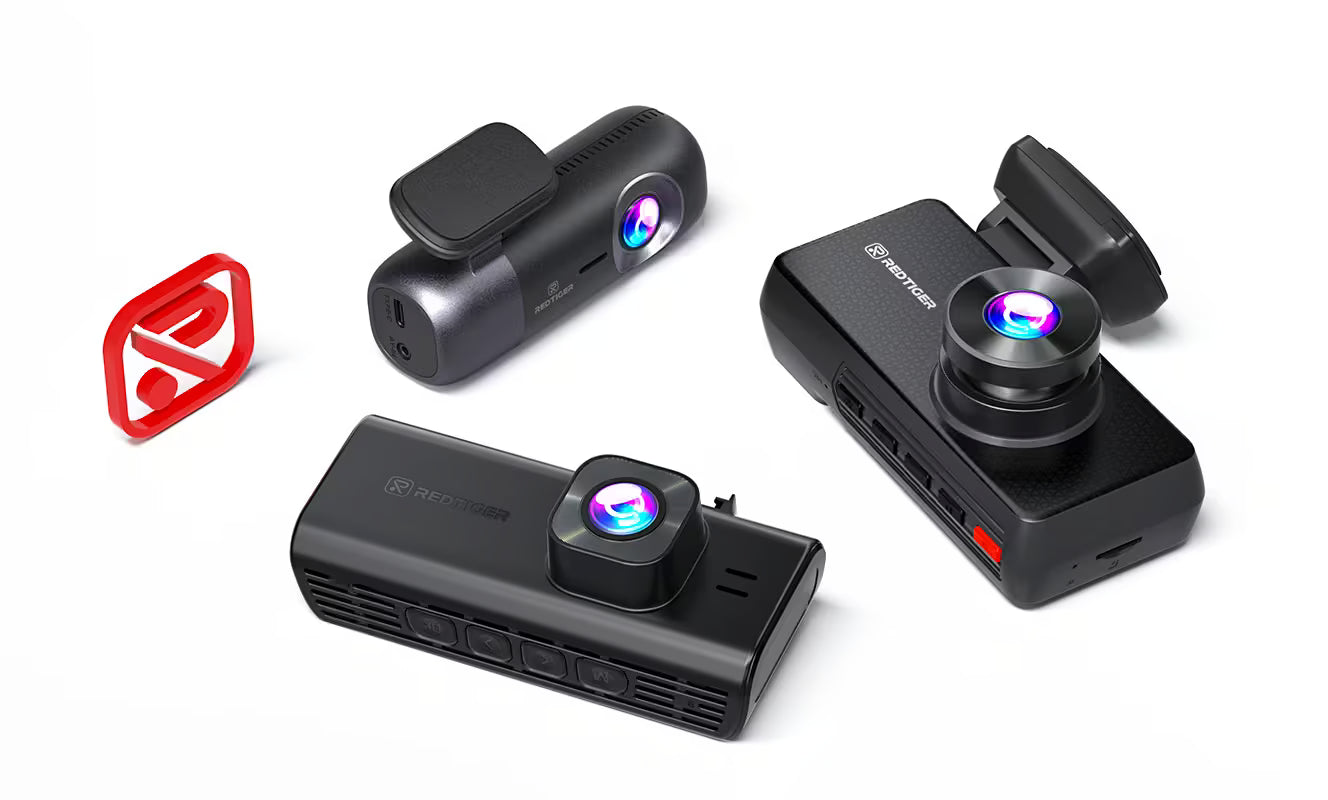
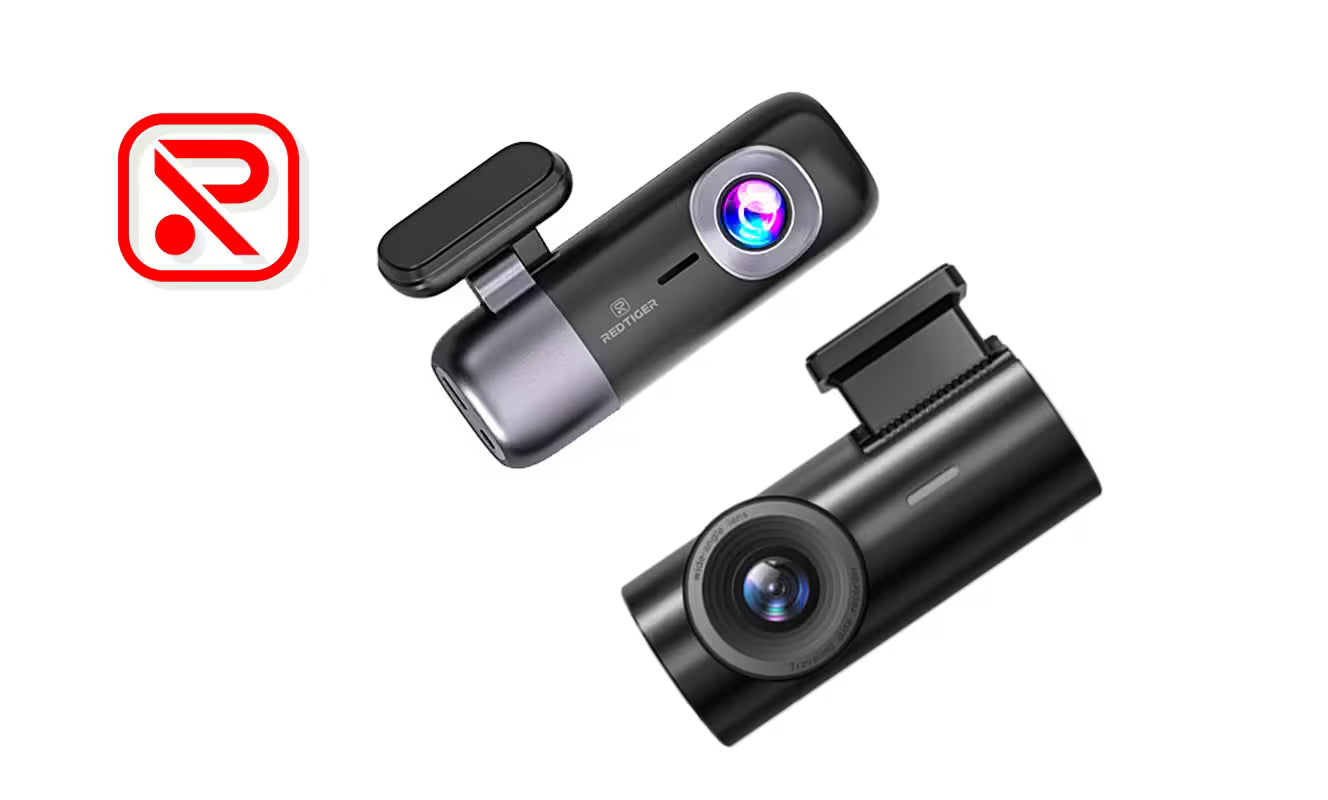
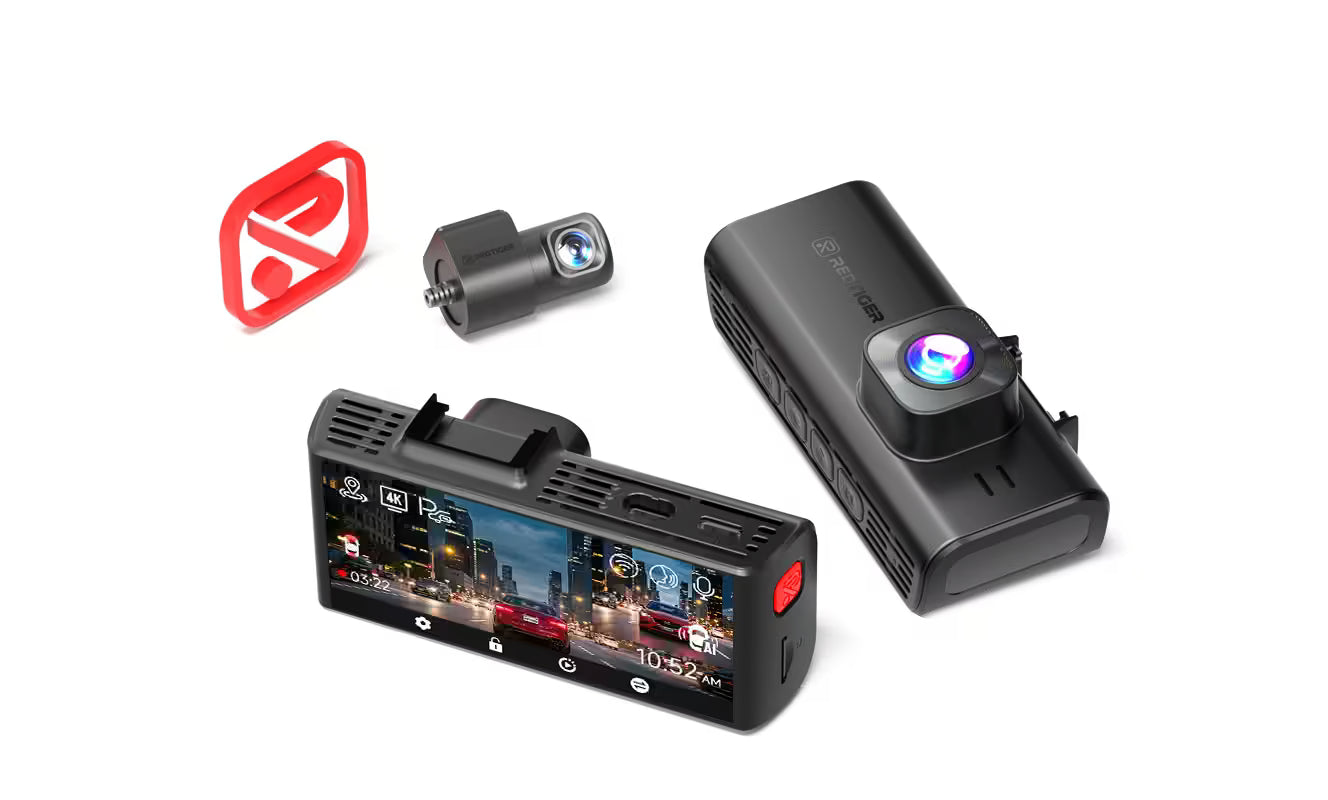
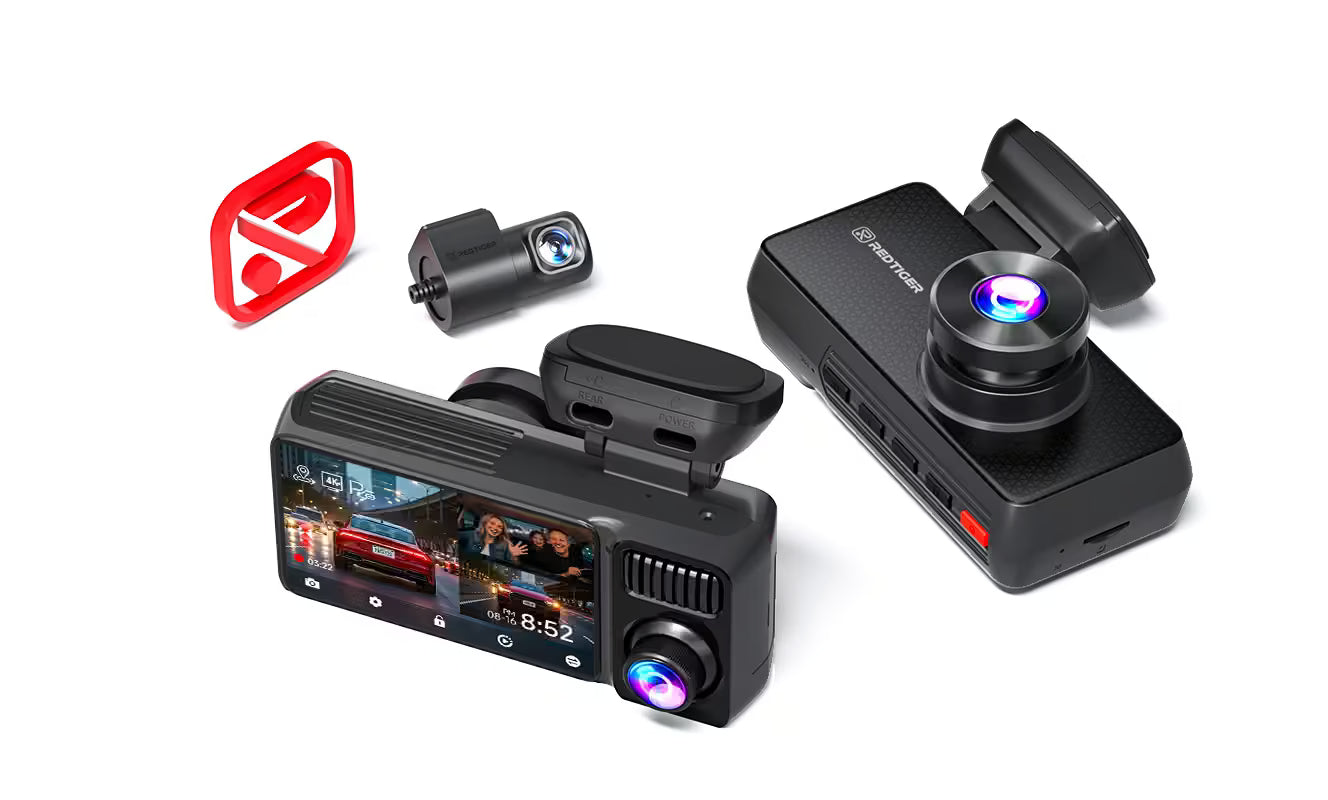
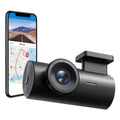
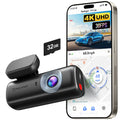
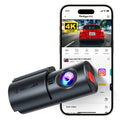
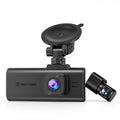
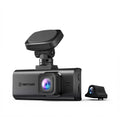
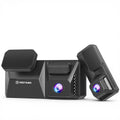
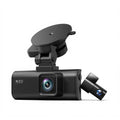
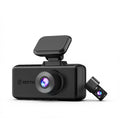
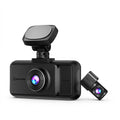
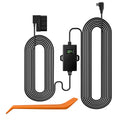
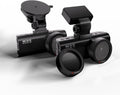
Before choosing the right model, many drivers first wonder if a dash camera is worth it, and understanding its value can help you make a more confident decision.
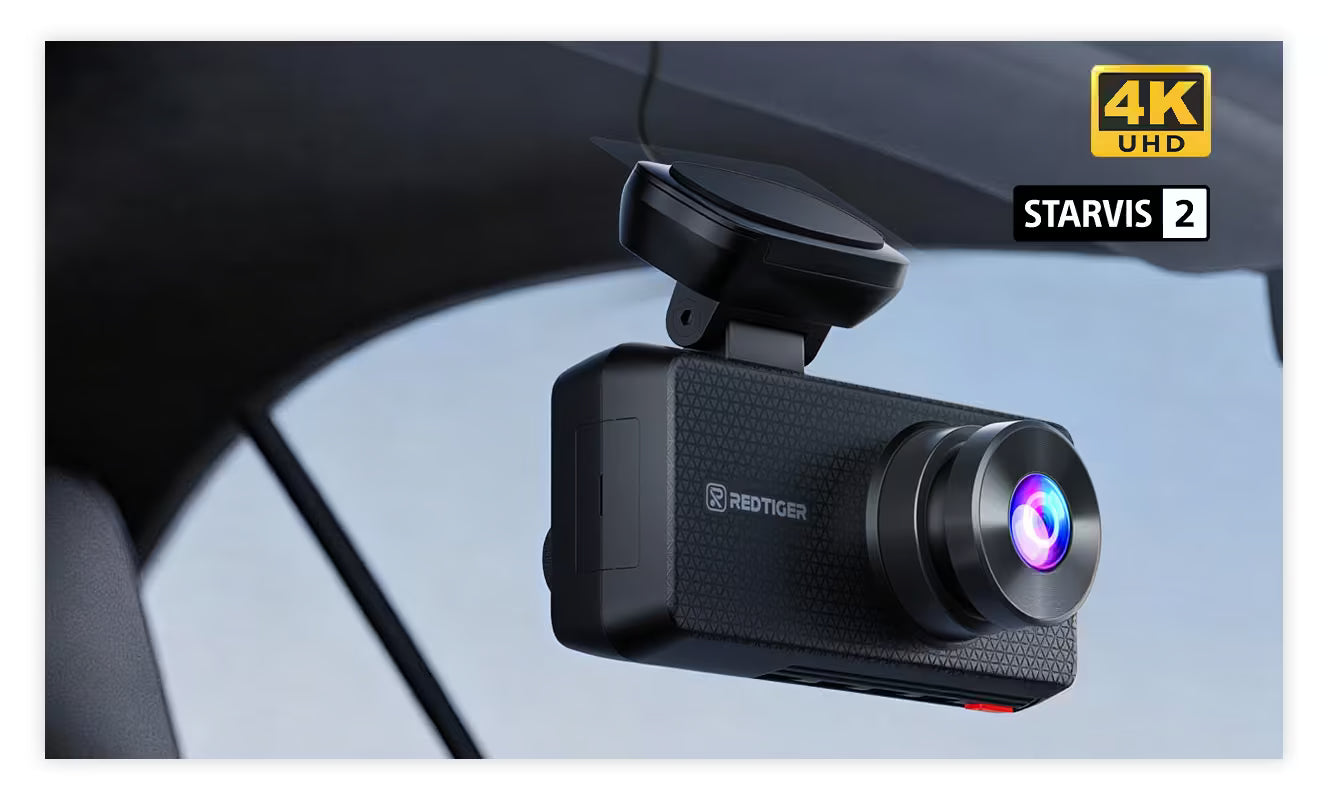
Delivers bright, clear video, day or night
All-New Generation, Fully Upgraded
Native 4K+HDR , Double it
Sold over 2 million units worldwide
Your First Touchscreen Dashcam
A smart choice for you
Your First 3-Channel Dash Cam
Your Road, Captured in Crystal Detail
If It Happens, It’s Recorded
The Best Compact Dashcam Choice
With over 3,500 5-star reviews, it's the dash cam drivers rely on
See what people are saying about the Redtiger dash cam
Professional Accessories Guide
How to Choose a Dash Camera for Your Car?
1.Consider Your Budget: Best Dash Camera Options
We strongly recommend that customers opt for a 4K front and rear or three-channel dash camera, typically priced between ₹10,000 and ₹25,000. High-definition 4K video evidence and multi-channel recording can significantly enhance your driving safety, especially in complex urban traffic conditions.
4K front-facing dash cameras are ideal for budget-conscious drivers, usually priced at or below ₹8,000. These dash cameras generally provide only basic front-facing recording and are unable to record what happens behind your vehicle.
Recommended front and rear dash camera:
F77 STARVIS 2 4K+4K Dual IMX678 Voice Control 5.8GHz High Speed Wi-Fi Dash Camera
2.Consider Your Vehicle: Dash Cameras for SUVs, Luxury Sedans, and MUVs
Our Hardwire Kit is 11.5 ft / 3.5 metres long, and the rear camera connection cable is 21.5 ft / 6.5 metres.
If you have a large vehicle such as an SUV, MUV, or a commercial vehicle, the length of the Hardwire Kit and rear camera cable may not be sufficient.
3.Consider Dash Camera Features: Functions That Match Your Driving Needs
Knowing the essential dash camera features can help you find a model that truly matches your daily driving needs. A dash camera does more than just capture the road. The right features can keep you safer and provide peace of mind in unexpected situations. Key features to consider include:
Emergency Video Lock
Sudden braking or collisions can happen at any time. This feature automatically saves and locks the current video, ensuring crucial evidence isn’t overwritten by loop recording.
GPS Tracking
Accidents on busy or unfamiliar roads can be stressful. GPS records the exact speed and location, which can be essential for insurance claims. It can also capture road names and nearby vehicles, helping you recall details later.
24/7 Parking Protection
Parking in crowded car parks or city streets can be risky. This mode keeps your car monitored around the clock, recording bumps, scratches, or suspicious activity to provide reliable evidence.
Full-Colour Night Vision
Standard dash camera night videos can be dark or blurry. Full-Colour Night Vision records in natural colour, keeping videos as clear and detailed as in daytime, so you can easily identify vehicles, number plates, and pedestrians.
Hands-Free Voice Control
Changing settings while driving can be distracting. Voice Control allows you to operate the dash camera without taking your hands off the wheel or your eyes off the road.
Wi-Fi & App Access
Reviewing or sharing footage while on the go can be inconvenient. Wi-Fi and app connectivity allow you to quickly access, download, or share videos directly from your phone.

4.Consider Dash Camera Installation: Front Camera Placement
We recommend installing the front camera on the left side of the windscreen, approximately three-quarters of the way up. This placement avoids obstructing or interfering with the driver’s view, helping to maximise driving safety.
5.Consider Rear Camera: In-Car vs. Waterproof Rear Camera
Please consider whether you want to install the rear camera inside the rear windscreen or outside the vehicle above the number plate.
In general, installing the rear camera inside the car can meet basic recording needs and is easier to set up. On the other hand, installing it above the number plate outside the vehicle provides a wider view and better recording quality.
However, it comes with a more complicated fitment process, and you may need to seek help from a mechanic for professional installation.
Please also check whether the rear camera is waterproof. If an in-car rear camera is installed outside the vehicle, it is likely to be damaged after rain.
Frequently Asked Questions About Car Dash Cameras
We have compiled some common questions that drivers often have when purchasing a dash camera.
Is It Worth Having a Dash Camera?
Yes, owning a dual front-and-rear dash camera is a very worthwhile investment, as it can record both the front and rear of your car.
If an accident occurs, you will have video evidence to show that it wasn’t your fault and to support your insurance claim.
This can potentially save you thousands of rupees. Additionally, it can help protect your vehicle while parked without draining your car battery.
Does a Dash Camera Only Work When the Car Engine Is Running?
Yes, a dash camera can also operate while the car is parked, once the Hardwire Kit is connected to your vehicle's fuse box.
This allows the dash camera to continue recording while parked. Meanwhile, the Hardwire Kit has low-voltage protection features. The dash camera will automatically switch off if the voltage drops below 11.8V to prevent draining your vehicle’s battery.
There is one exception: if your car’s 12V power socket (cigarette lighter port) remains active while parked, a dash camera connected via this port will continue working until the battery is drained, as it does not have low-voltage protection. This is something you should be cautious of.
What Is Dash Camera Wi-Fi Used For?
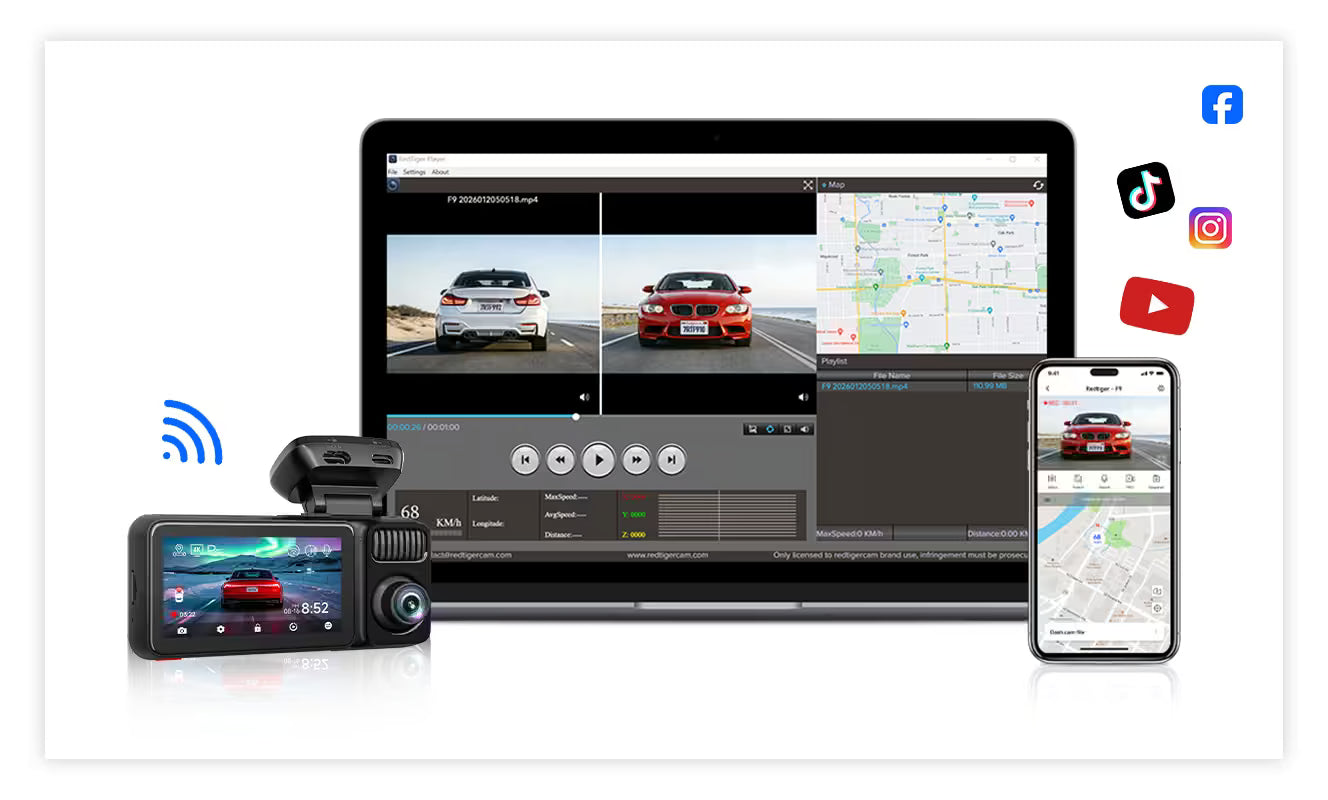
Dash cameras are typically equipped with a 2.4GHz or 5GHz Wi-Fi module, allowing you to wirelessly transfer videos stored on the dash camera to your smartphone.
You can easily share video clips with family and friends or upload them to platforms such as Instagram or YouTube.
For dash cameras without Wi-Fi, you will need to connect them to a laptop or use a memory card reader to access the footage.
Does a Dash Camera Record Audio?
Yes, dash cameras usually record audio. You can switch audio recording on or off in the settings menu under "Audio".
Please note that in some states, recording audio may require the consent of passengers.
Do Dash Cameras Need to Be Professionally Installed?
It depends on your requirements. If you are using a car charger and an internal rear camera to connect the dash camera, you can easily install it yourself or with help from a family member.
However, if you decide to use a Hardwire Kit or an external rear camera, professional installation is recommended. A professional technician ensures that the dash camera’s Parking Monitor mode works correctly and helps protect your vehicle while parked.